
Semiconductor Manufacturing
Optinova manufactures HP PFA (as well as PTFE/FEP/PvDF) tubing in cleanrooms or controlled environments in all three regions to better serve the needs of the customers, reducing lead-time, logistics costs, to avoid tariffs by leveraging our local footprint.
Optinova Thailand serves the APAC region including China with good bilateral trade agreements. Optinova Valley Forge, PA, serves the Americas meanwhile the Åland factories, Finland caters to EMEA.
Choosing between PFA, modified PTFE, PVDF, and other fluoropolymer solutions for semiconductor manufacturing is not arbitrary—they address different process requirements. The right material depends on purity demands, chemical exposure, temperature, mechanical conditions, and cost.
Here is how the main options differ and why one might be selected over another:
Select the perfect material for your application:
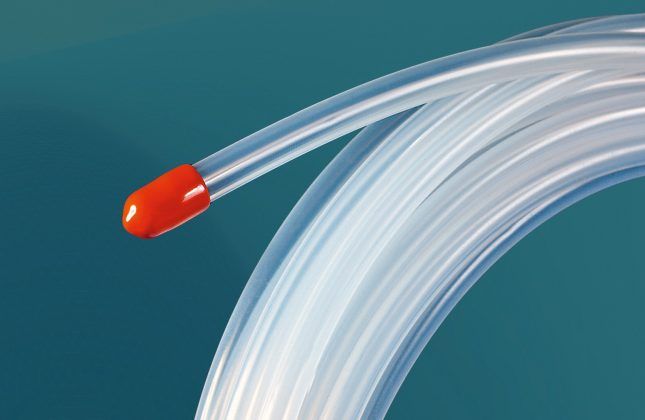
PFA
Why use it:
High-purity PFA tubing is the leading choice for critical semiconductor fluid handling because it combines excellent chemical resistance, high temperature capability, low extractables, and a smooth inner surface that helps reduce contamination risk. PFA has excellent weldability, e.g. other pipes, couplings, tank liners etc. made equally of PFA. Optinova PFA welding rods are available to support welding processes.
Typical use case:
Ultra-pure chemical delivery (BCD), wafer cleaning and grinding (CMP), and ultra-pure water systems where process purity is essential.

Modified PTFE
Why use it:
Modified PTFE offers strong chemical resistance and good thermal performance, making it a practical alternative where high performance is needed but the most demanding purity specifications are not always required.
Typical use case:
Less critical chemical transfer lines and supporting process systems where cost-performance balance matters.

PVDF
Why use it:
PVDF provides good chemical resistance, solid mechanical strength, and a cost-effective option for applications that need durability and reliable performance outside the most purity-sensitive process lines.
Typical use case:
Utility lines, service applications, and selected secondary systems in semiconductor facilities.

Complementary Materials
Why use them:
Optinova also offers materials such as FEP, ETFE, PVDF, and PTFE within its broader fluoropolymer portfolio, allowing customers to match tubing performance to needs such as flexibility, transparency, toughness, or higher thermal and chemical resistance.
Typical use case:
Adjacent industrial applications and selected semiconductor support systems with more specific mechanical or environmental requirements.
Discover More:
We also make products for the following application areas: